

Art as an Anchor: Curating Spaces for Mental Clarity
Our surroundings have a powerful impact on our state of mind. The spaces we live and work in can either add to the chaos or create a sense of calm and focus. Curating these spaces intentionally isn’t just about aesthetics—it’s a form of self-care. By combining thoughtful design with the right art, you can transform any room into a sanctuary for mental clarity.
As an artist, I’ve experienced this firsthand. During a big life change—moving from Romania to Germany—art became my anchor. It gave me a sense of control and purpose when everything else felt uncertain. This taught me that the art we choose to live with isn’t just decoration; it’s a reflection of our inner world and a tool for shaping it.
In this post, we’ll explore how to create an environment that enhances mental clarity. From decluttering to choosing art that evokes tranquility, you’ll learn practical tips to design a space that supports your well-being. Let’s create a haven for your mind.
The Psychology of Space and Serenity
The connection between our surroundings and our mental state is powerful. We’ve all felt how a cluttered, disorganized room can lead to feelings of stress and anxiety. When our physical space is in disarray, our minds often follow suit, making it nearly impossible to find focus or relaxation. On the other hand, an organized and intentional environment acts as a balm for the mind, reducing the noise and promoting a sense of peace.
This is where the principle of intentional design comes into play. By consciously choosing what we allow into our homes, we take an active role in shaping our daily experience. For me, decluttering was the essential first step. Removing the excess created the physical and mental breathing room I needed during my first few years in Germany. It allowed the objects that remained—the ones that were truly meaningful—to finally stand out.
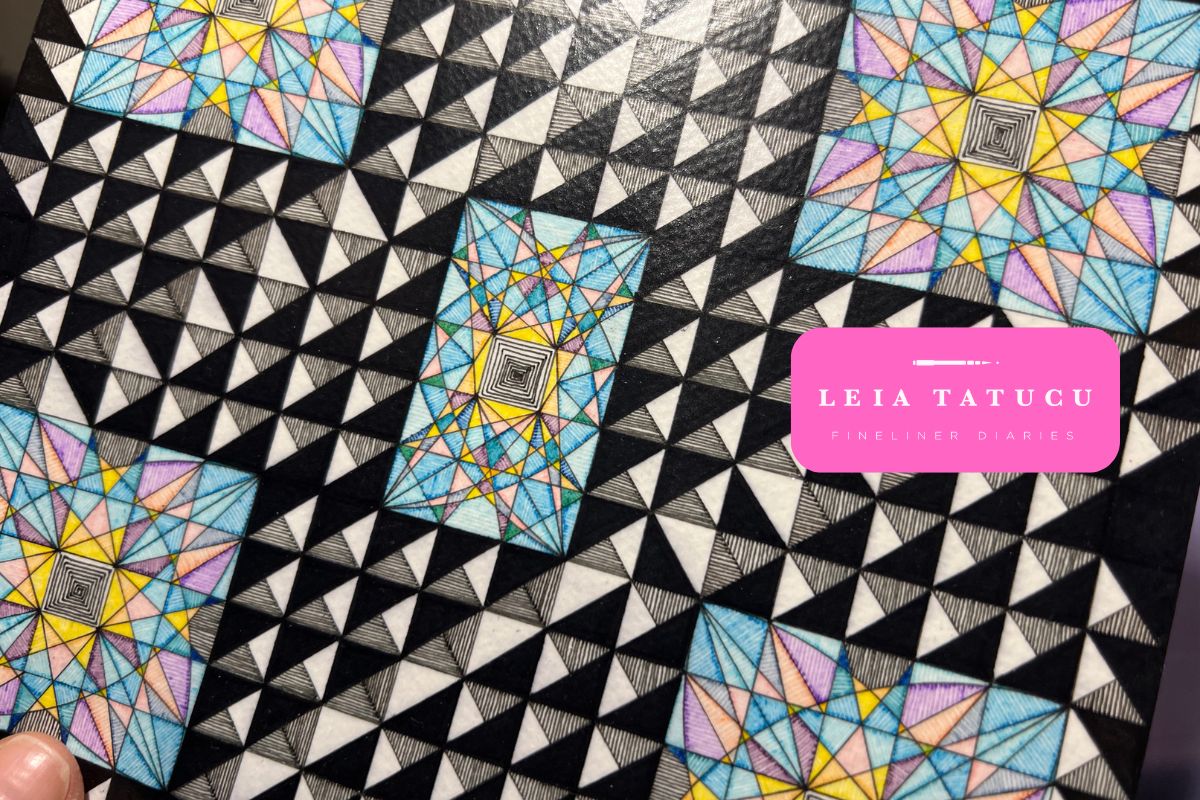
Art is perhaps the most potent tool for infusing a space with this kind of serenity. A carefully chosen piece does more than just fill a gap on a wall; it sets the tone for your entire day. Whether it’s a detailed fineliner drawing or a fluid resin painting, the right artwork can quiet your thoughts and provide a much-needed moment of reflection. It is an investment in your home’s beauty, but more importantly, it is an investment in your own mental well-being.

Choosing Art for Tranquility and Focus
The type of art you select has a direct impact on the atmosphere of your space. While personal taste is paramount, certain themes and styles are particularly effective at promoting a sense of calm and clarity. When building a collection with intention, consider how each piece contributes to the overall feeling you wish to cultivate.
Calming Landscapes and Nature Motifs
Art that depicts natural scenery—serene coastlines, misty mountains, quiet forests—can bring the restorative qualities of the outdoors inside. These pieces often evoke feelings of peace and expansiveness, providing a visual escape from the confines of a room. My own work frequently incorporates floral and animal motifs, drawing inspiration from the world around us. These natural elements, often blended with geometric patterns, create a balance between the organic and the structured, reflecting the harmony we seek in our own lives.

The Power of Abstract Art
Abstract art invites you to find your own meaning. Since it doesn’t depict a specific subject, it uses color, shape, and texture to create a mood. A piece with soft, flowing lines might feel calming, while one with bold, energetic forms could inspire focus. For example, my "Butterflies" artwork is a powerful statement about being unapologetically authentic, while the "Deep Blue Shades" fine art print brings a sense of depth and tranquility to a room. Abstract works like these encourage introspection, allowing your mind to form a personal connection.
The Elegance of Simplicity
Sometimes, the most impactful art is the simplest. My "Threads of Heritage" series, for instance, blends minimalist digital design with traditional Romanian motifs. This combination of old and new brings a unique elegance to modern, decluttered spaces. The clean lines and familiar patterns introduce a touch of heritage and sophistication without overwhelming the senses, maintaining a room's sense of openness and peace. For me, creating these pieces is a meditative process of weaving together past and present, and I hope that same thoughtful focus is transmitted to the viewer.
Practical Tips for Arranging Your Sanctuary
Once you have selected pieces that resonate with you, their placement and arrangement are key to creating a harmonious environment. The goal is to integrate art into your space in a way that feels natural and intentional, enhancing the room's function and flow.
Create a Focal Point
Designate a primary wall or area in a room to feature a significant piece of art. This could be above a sofa in a living room, behind a desk in an office, or opposite the entrance to a hallway. A strong focal point draws the eye and anchors the room, immediately establishing a sense of order and purpose. This one deliberate choice can set the tone for the entire space, making it feel more curated and complete.

Consider Scale and Proportion
The size of your artwork should be appropriate for the wall and the room it occupies. A small piece can get lost on a large, empty wall, while an oversized work might overwhelm a small space. As a general rule, aim for art to fill roughly two-thirds of the wall space above a piece of furniture. When hanging a gallery wall of smaller pieces, treat the entire collection as one cohesive unit to maintain a sense of balance.
Group Art with Intention
When displaying multiple pieces together, look for a common thread to unite them. This could be a shared color palette, a similar theme, or a consistent frame style. This creates a cohesive narrative and prevents the display from feeling random or chaotic. Arranging art in this thoughtful way demonstrates a commitment to creating a space that is not just decorated, but truly curated.
Let There Be Light
Proper lighting can dramatically enhance the impact of your art. Natural light is ideal, but avoid direct sunlight, which can damage artwork over time. For evening viewing, consider installing accent lighting, such as a picture light or a track light, to highlight your favorite pieces. Well-lit art not only looks better but also helps to create a warm and inviting atmosphere, making your space feel more like a sanctuary.
Curate Your Clarity
Your home and workspace are more than just functional areas; they are extensions of yourself. By taking an intentional approach to designing these environments, you can create sanctuaries that actively support your mental and emotional health. The process begins with decluttering to make space for what truly matters, and it culminates in the thoughtful selection and placement of art that speaks to your soul.
I encourage you to take a moment to reflect on your own spaces. What do they say about your current state of mind? How could they be transformed to better support your well-being? Consider how a single piece of art—a calming landscape, an evocative abstract, or a simple line drawing—could become an anchor for your mental clarity, a daily reminder to pause, breathe, and find your center. This is a rare opportunity to elevate your environment and, in turn, elevate your life.


Leave a comment
This site is protected by hCaptcha and the hCaptcha Privacy Policy and Terms of Service apply.