

The Collector's Eye: How to Curate a Personal Art Collection with Meaning
Building an art collection is about more than just filling your walls—it’s a journey of self-expression, a way to share your story, and an opportunity to create a space that truly feels like you. A well-curated collection can inspire you daily and bring a deep sense of fulfillment. But if you’re just getting started, it can feel overwhelming. Where do you even begin? The good news—it doesn’t have to be complicated. This guide will help you start your art collection with confidence, offering simple, practical tips to create something meaningful you’ll treasure for years. Let’s get started!
Define Your "Why"
Before buying your first piece, take a moment to ask yourself: Why do I want to collect art? What is my goal? Are you looking to create a calming space at home? Add a pop of personality to your walls? Maybe you want to support artists whose work speaks to your values. Whatever your reason, identifying your "why" is the first and most important step.
Think of this as your mission statement. It will guide every choice you make, helping you build a collection that feels intentional and meaningful rather than a random mix of pieces. For example, if you want your collection to celebrate nature, look for works that highlight landscapes or organic forms. If your focus is on bold self-expression, go for vibrant, abstract designs.
There’s no right or wrong answer—this is about what resonates with you. Your "why" will act as your compass, making it easier to choose art that feels personal and authentic, creating a collection that’s a true reflection of who you are.

Start with What You Love
The most important rule in art collecting is simple: buy what you love. Trends will come and go, and investment values can fluctuate, but your connection to a piece is timeless. Trust your instincts. Pay attention to the art that stops you in your tracks, sparks an emotion, or makes you think. Does a certain color palette energize you? Are you drawn to abstract forms or realistic portraits?
Begin by exploring different styles, mediums, and artists. Visit local galleries, browse online art platforms, and follow artists on social media. The more art you see, the more you will refine your taste. Don't feel pressured to like what experts say you should. The goal is to discover art that speaks to you on a personal level. A piece that brings you joy or provokes thought is always a sound investment in your well-being.

Begin with Fine Art Prints
The idea of purchasing original artwork can feel daunting, especially when considering the price. This is where fine art prints offer a perfect entry point into the world of collecting. High-quality prints provide an accessible way to own a piece of an artist's vision without the significant financial commitment of an original painting or sculpture.
Fine art prints are not mere posters. They are meticulously produced, often in limited editions, using high-quality inks and archival paper to ensure their longevity and color fidelity. This makes them a valuable and legitimate part of any collection. Starting with prints allows you to:
- Explore Your Taste: Experiment with different artists and styles without a large initial investment.
- Build Confidence: Gain experience in selecting, framing, and displaying art.
- Support Artists: Purchasing prints is a fantastic way to support emerging and established artists you admire.
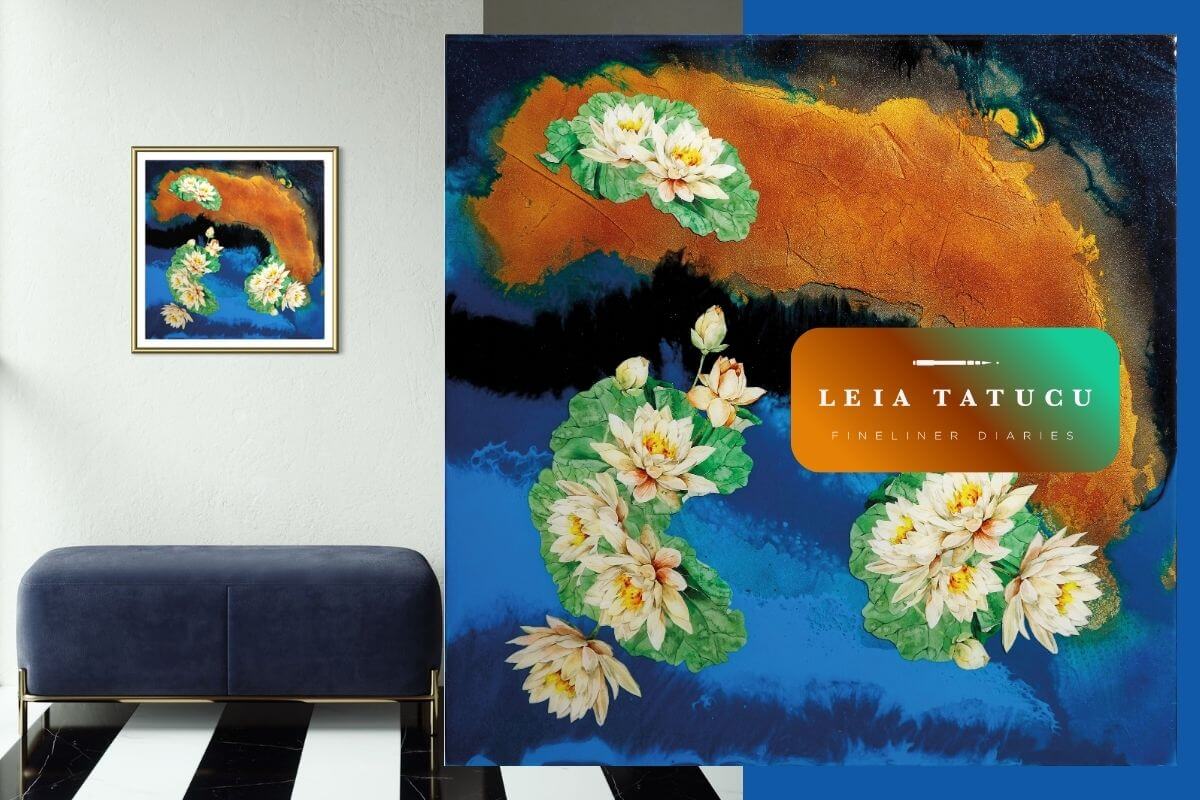
Take my resin mixed media piece, Pond of Memories, for example. This artwork inspires calm and introspection, inviting you to reflect on cherished moments. Its serene imagery and emotional depth make it easy to connect with on a personal level. Adding it to your home creates a beautiful focal point for reflection and a reminder of the stories that shape you. The original piece is available in the shop, but you can also start your collection with the Pond of Memories Fine Art Print—an accessible alternative to the original.

Research and Connect with the Story
Art becomes even more meaningful when you understand the story behind it. Once a piece catches your eye, take the time to learn more about the artist and the specific work. What inspired them? What techniques did they use? What is their background? This research adds layers of appreciation and transforms the artwork from a decorative object into a conversation starter.
An artist's statement or the story behind a particular series can reveal a surprising connection to your own life and values. This knowledge deepens your bond with the artwork, making it a more significant part of your collection. Knowing the provenance, or the history of ownership, also adds to the piece’s narrative and ensures its authenticity, giving you confidence in your acquisition.

Think About Curation and Display
As your collection grows, consider how the pieces will interact with each other and your living space. You are not just acquiring art; you are curating an experience. Think about creating a gallery wall that tells a story, with works connected by a common theme, color palette, or artist.
Pay attention to framing and lighting. A well-chosen frame can enhance the artwork and integrate it seamlessly into your decor. Proper lighting will bring the piece to life, highlighting its colors and textures. The way you display your art is the final step in curating your collection, transforming your home into a personal gallery that is both beautiful and deeply meaningful.

A Collection That Grows with You
Curating a personal art collection is an evolving and rewarding process. It's a journey that mirrors your own growth and changing perspectives. Start small, trust your heart, and don’t be afraid to begin with high-quality prints that resonate with you. Each piece you choose is a chapter in your personal story, contributing to a home that is uniquely and authentically yours. Your collection will become a source of daily joy, a reflection of your identity, and a legacy of meaning.


Leave a comment
This site is protected by hCaptcha and the hCaptcha Privacy Policy and Terms of Service apply.