

Investing in Originals: The Hidden Value of Unique Textures
As we settle into the new year, many of us are looking for ways to add meaning and depth to our surroundings. By the fourth week of January, the excitement of resolutions often shifts into more thoughtful intentions. For art collectors, this can mean refining their vision and seeking pieces that go beyond visual appeal.
In a world where high-quality reproductions are easily available, it’s important to remember the unique value of original art. The difference isn’t just in the look—it’s in the texture, the physical presence of the artist’s touch. There’s something truly special about the tactile experience of resin, mixed media, and original creations that prints can’t replicate.
This week, let’s explore why this tangible quality makes original art and fine art reproductions of these pieces so valuable for collectors and investors alike.
The Sensory Depth of the Original
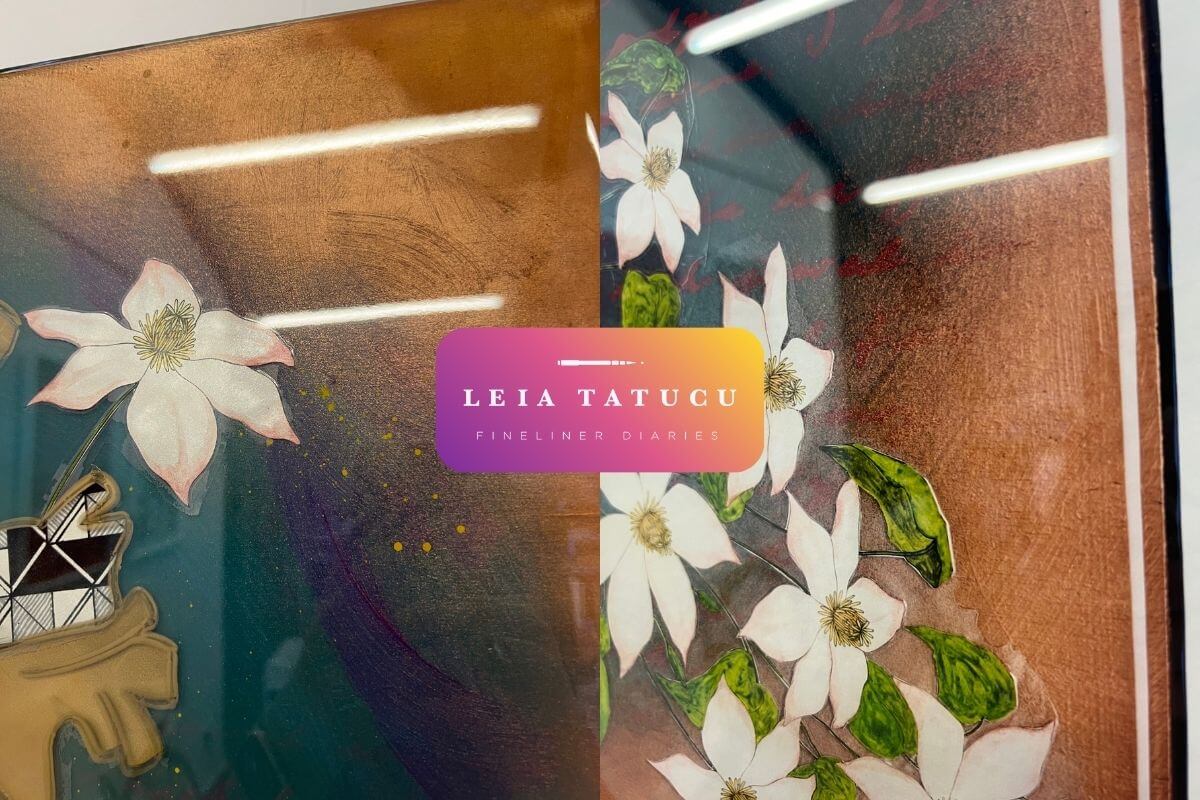
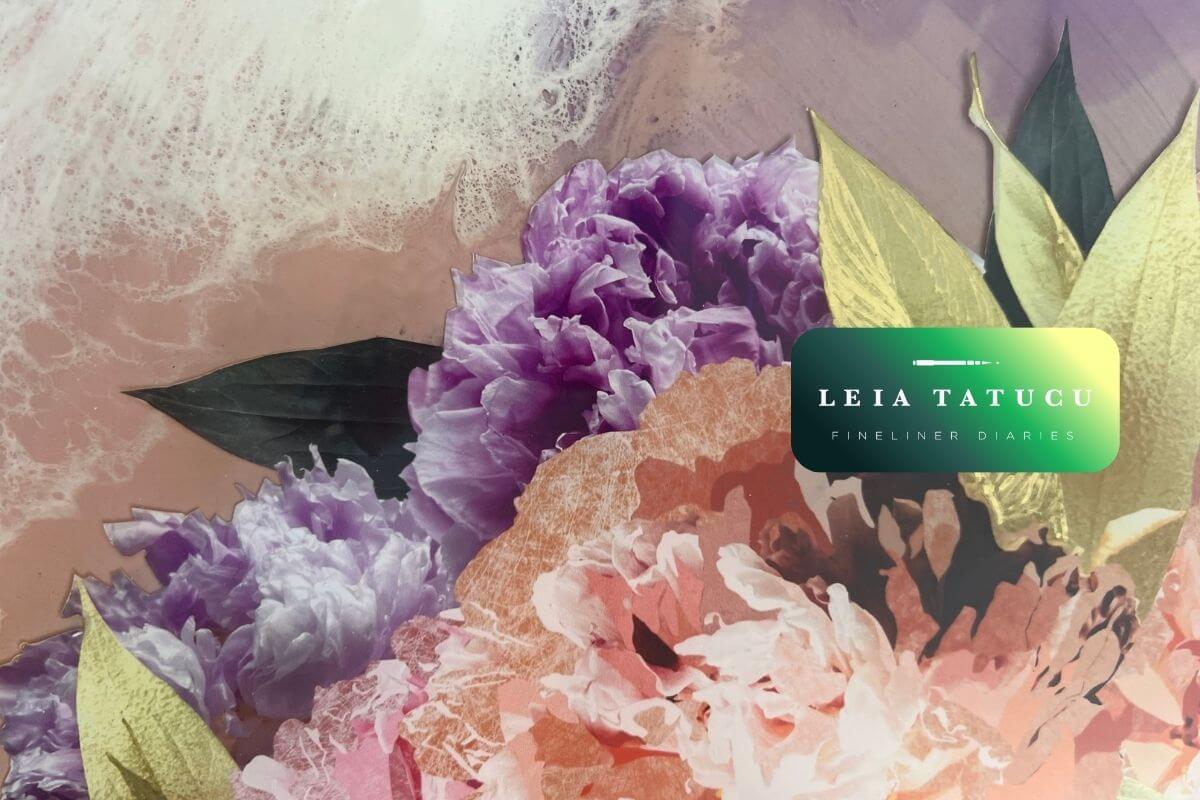
When you stand before an original piece of art, you're not just looking at an image; you're witnessing a physical object with its own topography. My resin mixed media work, for example, relies on the contrast between the sharp, precise lines of fineliner pens and the fluid, glass-like surface of resin. I also create a sense of depth by embedding collage elements into different layers of resin within the same piece.
A print naturally compresses these intricate layers into a single dimension. It captures the visual data but loses the tactile conversation between materials. While high-quality photos of my resin originals often show stripes of reflected light—a hallmark of the material—the true depth can never be fully reproduced. An original artwork retains the tiny, undeniable details of the process: the way collage elements nestle within fluid resin, a stray air bubble trapped forever at a border, or the slight elevation of a resin pour that catches the light differently as you move around the room.
This sensory engagement is crucial for a collector. It transforms the artwork from a decorative object into a living presence. For instance, my "Golden Hour" artwork uses specific color tones, structural paste, and varying resin depths to symbolize the sun's position. The way light hits the resin changes throughout the day, mirroring the very concept the art represents—a dynamic interaction you simply cannot replicate in a reproduction.

Provenance and the Artist’s Hand
From an investment perspective, texture serves as a distinct fingerprint. It is the ultimate proof of provenance, capturing the unique hand of the creator.
In my dual life as a civil engineer and an artist, I have developed a deep appreciation for both structural integrity and organic flow. When I create, the act of putting pen to paper or brush to canvas brings me immense joy, but it also requires a steady, deliberate hand. If you look closely at an original, you can see the slight pressure variations in the hatching or the specific spray patterns on the wood base. These are the visible marks of human effort.
For a collector focused on a secure investment, these tactile details are vital for authenticity. They ensure the piece is a unique entity rather than a mass-produced copy.
While prints offer accessibility and allow an image to be shared widely, originals represent exclusivity. They ensure that you possess the only version of that specific physical arrangement of matter.
Owning an original means owning the moment of creation itself. You hold the specific color mix I chose for a background, the brush strokes used to highlight a detail, or the ink marks that anchored me during times of radical change. That history is forever embedded in the texture of the materials.

Resin: The Lens of Clarity
Resin is more than just a glossy finish—it transforms art into something truly captivating. Acting like a magnifying lens, resin enhances the intricate details beneath it, bringing my mixed media pieces to life. In my work, where geometric shapes intersect with floral or animal motifs, resin adds depth and dimension, creating a layered effect that pulls viewers in. The interplay of transparent and colored layers further amplifies this sense of space.
A resin-coated piece invites interaction. The surface has a liquid-like quality, frozen in time, creating a tactile allure—even if it’s best admired without touching! This unique finish gives the artwork a sense of permanence and timelessness, making every piece feel like it’s preserved at its most vibrant.
Resin isn’t just beautiful—it’s durable. It protects the delicate ink work beneath, ensuring that both the aesthetic and emotional value of the piece remain intact for years to come. When you invest in a resin-coated original, you’re adding a lasting, one-of-a-kind statement to your collection.

Emotional Fulfillment and Value
Art investment is often discussed in terms of numbers, market trends, and appreciation rates. While these matter, the true value of owning art goes beyond that—it’s about the emotional fulfillment it brings.
I started Fineliner Diaries to document my creative journey and find a sense of purpose. For me, creating art is about regaining control, especially during those moments when life feels chaotic. It acts as my anchor, helping me find my rhythm and express the full range of emotions I experience. Each artwork represents fulfillment and satisfaction—feelings I hope to share with you. When you acquire an original piece, you’re not just buying art; you're gaining a part of that purpose.
Owning an original artwork is uniquely rewarding. It transforms your space, sparks conversations, and becomes a centerpiece of your environment—just as creating it anchored me in mine. Art has the power to elevate both your surroundings and your portfolio, making it a truly meaningful investment.

Why Originals Elevate Your Portfolio
If you’re looking to diversify your collection this quarter, take a moment to consider the physical weight and history of the work. When I evaluate a piece, I often ask:
- Is there tactile depth? Can I see and feel the physical layers of its creation?
- Is it truly rare? Is this a bespoke piece that cannot be duplicated?
- Does it connect? Can I sense the artist's intent through the materials they chose?
While prints are a wonderful way to enjoy art, they rarely offer the long-term appreciation potential of a unique original. In my own practice, where I balance realism with abstraction, I strive to ensure every original piece tells a complete story. This narrative isn't just in the final image, but in the building blocks of the work—the hand-drawn ink details, the careful collages, and the smooth, protective embrace of the resin itself.

Conclusion
Investing in originals is about recognizing the value of the human touch. It is about choosing the unique texture of a fineliner drawing preserved in resin over the flatness of a replica.
As we move through the rest of the year, I invite you to look closer at the art you collect. Look for the ridges, the layers, and the imperfections that signal a genuine human experience. That is where the true value lies.
If you are interested in acquiring a piece that offers this level of exclusivity and tactile depth, I invite you to explore the currently available collection. Let’s find the piece that resonates with your journey and elevates your portfolio.

Leave a comment
This site is protected by hCaptcha and the hCaptcha Privacy Policy and Terms of Service apply.