

Precision Meets Passion: Why Engineering Principles Matter in Fine Art
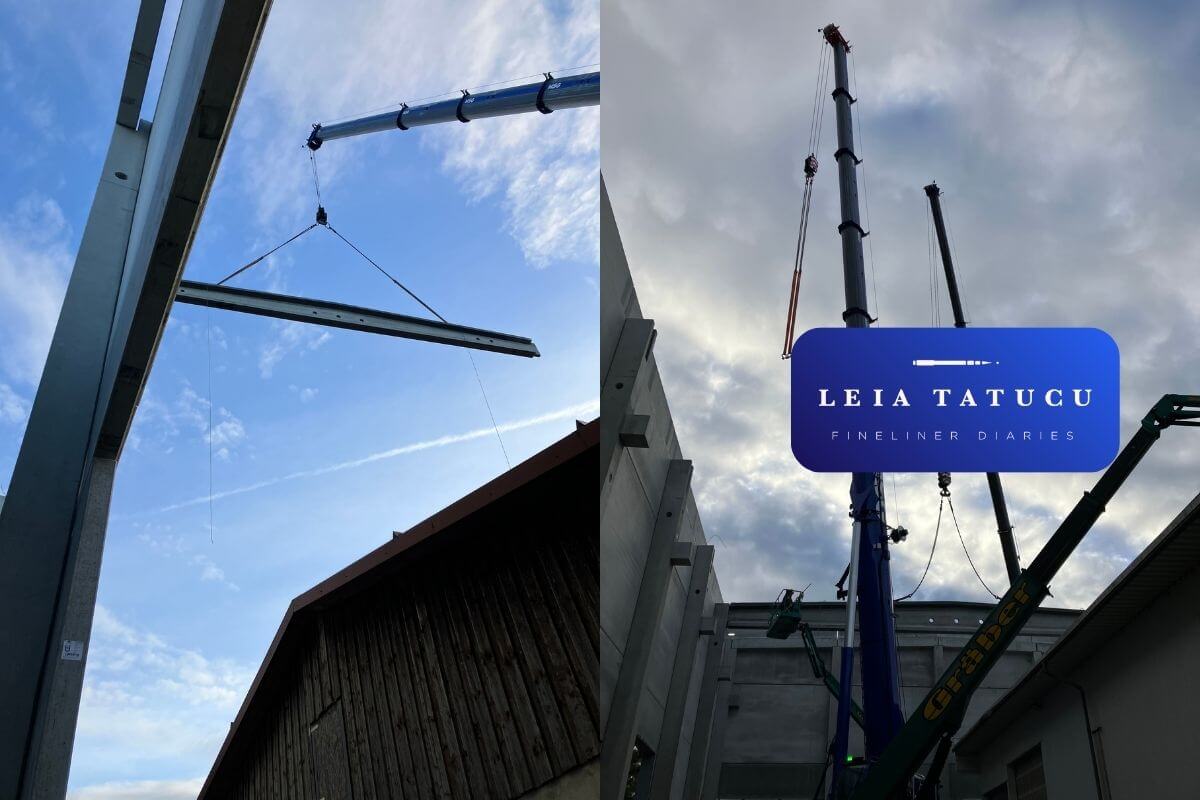
At first glance, civil engineering and fine art might seem worlds apart—one rooted in math and structure, the other in emotion and creativity. But for me, these two disciplines complement each other perfectly. My background as a civil engineer shapes my artistic practice, blending precision with passion to create fineliner artworks that are both meticulous and expressive.
My journey as an artist has been deeply tied to my career in industrial construction. Thirteen years ago, I moved from Romania to Germany—a life-changing transition that brought challenges, opportunities, and a rediscovery of art as my anchor. The structured thinking I developed as an engineer influences everything in my work, from composition to material choices.
For collectors, this fusion of engineering and art offers more than beauty—it’s a testament to craftsmanship and longevity, transforming each piece into a secure and enduring investment.
The Blueprint of Creativity: Composition and Structure
Just like every line on an engineer's blueprint serves a purpose, every element in my artwork is carefully thought out. The geometric shapes, intricate patterns, and floral motifs in my fineliner drawings aren’t random—they’re part of a deliberate composition designed to create balance and harmony.
I love combining contrasts. Organic, flowing floral designs meet the strict geometry of abstract patterns in my work. This pairing isn’t accidental—it creates a dynamic tension that pulls the viewer in. Think of it like a bridge: its strength comes from balancing tension and compression. Similarly, my art relies on opposites—realism and abstraction, spontaneity and control—to create something visually striking.
For art collectors, this structure brings a sense of stability and intention. Each piece feels complete, with its timeless design built to endure. It’s not just about capturing a moment of beauty; it’s about creating art with a solid foundation, ensuring it remains captivating for years to come.

The Science of Durability: Art Built to Last
In engineering, we constantly ask: will this structure stand the test of time? I bring that same scrutiny to my studio. For a collector, an artwork is a long-term companion, and ensuring its longevity is a meticulous process. It’s about understanding how materials respond as the years pass.
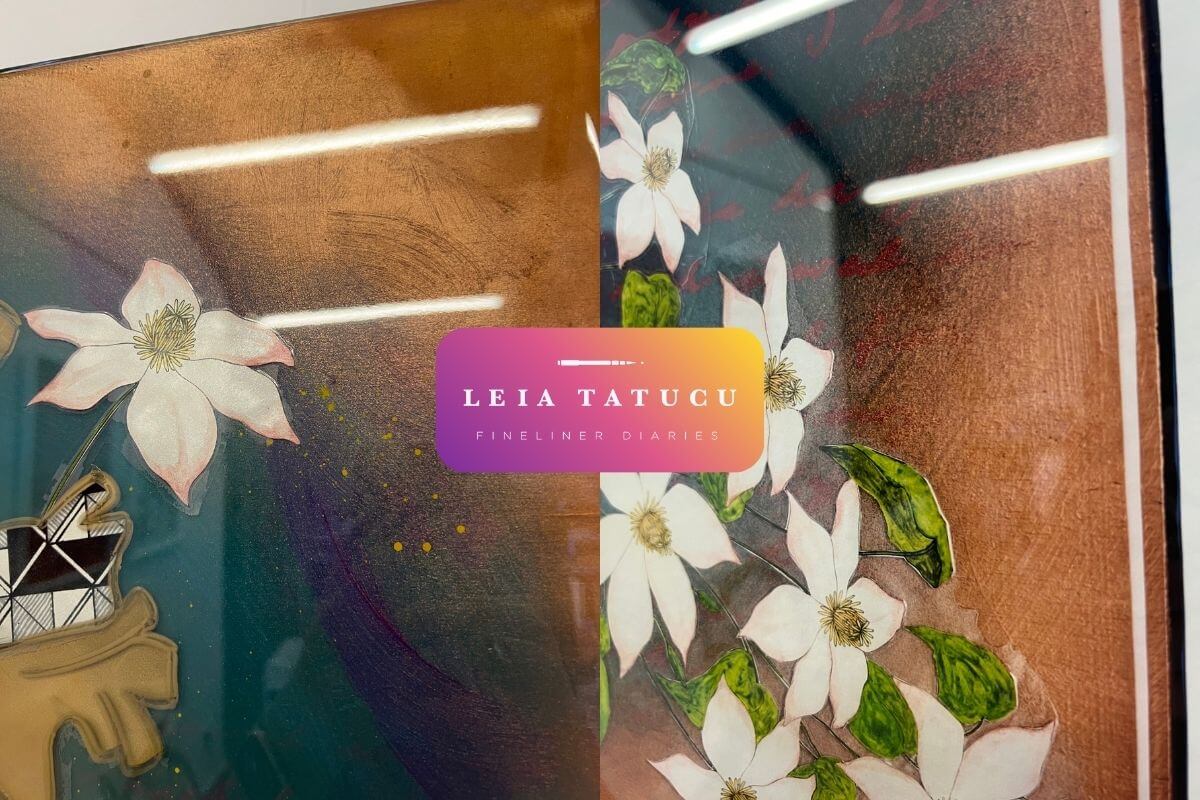
My choice of fineliner pens and paper isn't just about the stroke—it’s about endurance. I use archival-quality inks designed to resist fading and high-grade, acid-free paper that won't yellow or degrade over the decades. When I introduce resin into my mixed media pieces, the process becomes a precise equation. I carefully manage temperature, humidity, and mixing ratios to create a flawless, glass-like shield. I only work with high-quality resins that are continually tested and improved by their makers.
By carefully balancing these elements, I protect the delicate lines beneath, keeping them vibrant and intact. This focus on material science ensures that when you bring a piece into your home, you’re not just buying art—you’re investing in something built to preserve its beauty and integrity for years to come.

Visual Metaphors: Finding Meaning in Precision
My art serves as a visual metaphor for the experiences we all share. It’s my way of processing a full spectrum of emotions—from the pure joy of getting lost in a creative moment to the stress of balancing a demanding career.
When life feels chaotic, the precision of a fineliner pen gives me a sense of control. Every clean, definite mark is an act of purpose. This process of creating order from complexity is a theme that resonates with many of us; it’s a symbol of resilience and the ability to build something beautiful out of scattered elements.
Take my sun series, for example. I used the specific positions of the sunrise, zenith, and sunset to represent the cycles of opportunity and fulfillment we seize every day.
For a collector, this layering of meaning adds a profound depth to the work. You aren't just choosing a visually pleasing object; you are connecting with a story, a philosophy, and a piece of my journey. The precision isn't just a technical skill—it’s an expressive tool meant to share a message of hope and the power of finding your anchor in a changing world.

The Value of a Unique Perspective
My work blends engineering with art, creating a unique experience for collectors. It’s where logic meets creativity—art that resonates emotionally while standing strong structurally. This duality makes each piece not only visually striking but also a meaningful investment.
Understanding the engineering behind each creation reveals the skill and intention poured into it. You’re not just purchasing a drawing; you’re acquiring a carefully crafted object, built with the same precision as a well-designed structure.
This dedication to quality, durability, and thoughtful design transforms art into a lasting legacy. It’s more than a purchase—it’s an investment in a vision rooted in timeless principles of good design.



Leave a comment
This site is protected by hCaptcha and the hCaptcha Privacy Policy and Terms of Service apply.